The Americans by: Robert Frank
In Robert Frank's The Americans, the theme shouts in the beginning and whispers by the end. As you flip through the pages, patterns arise. Hidden faces, contrasting subjects, unsuspecting people, and geometric shapes reveal themselves. Initially, I assumed Robert Frank arranged his subject with the background/foreground. While this may have occurred, I believe his compositions appeared naturally. A question surfaced. What's the history behind the book?
The photographs for "The Americans," captured between 1955-1957, published in 1959. I kept asking myself one word throughout the book, "why?" Robert pushed the boundaries of photography by showing the mundane. He used unconventional techniques that violated American photojournalist standards at the time, such as unique focus, grainy images, and low lighting. Halfway through the book, out of curiosity, I tracked the places he visited. By opening Google Maps and pinning the locations Robert visited. Most, if not all, places he visited were near main highways. Considering the United States' main form of transportation at the time, it wouldn't be uncommon to travel to major cities through major highways via bus. At first, I thought he used Route 66 as some symbolic metaphor for America. This theory proved incorrect by other major and minor highways utilized. After this, I wondered if I could identify patterns Robert Frank may have used.
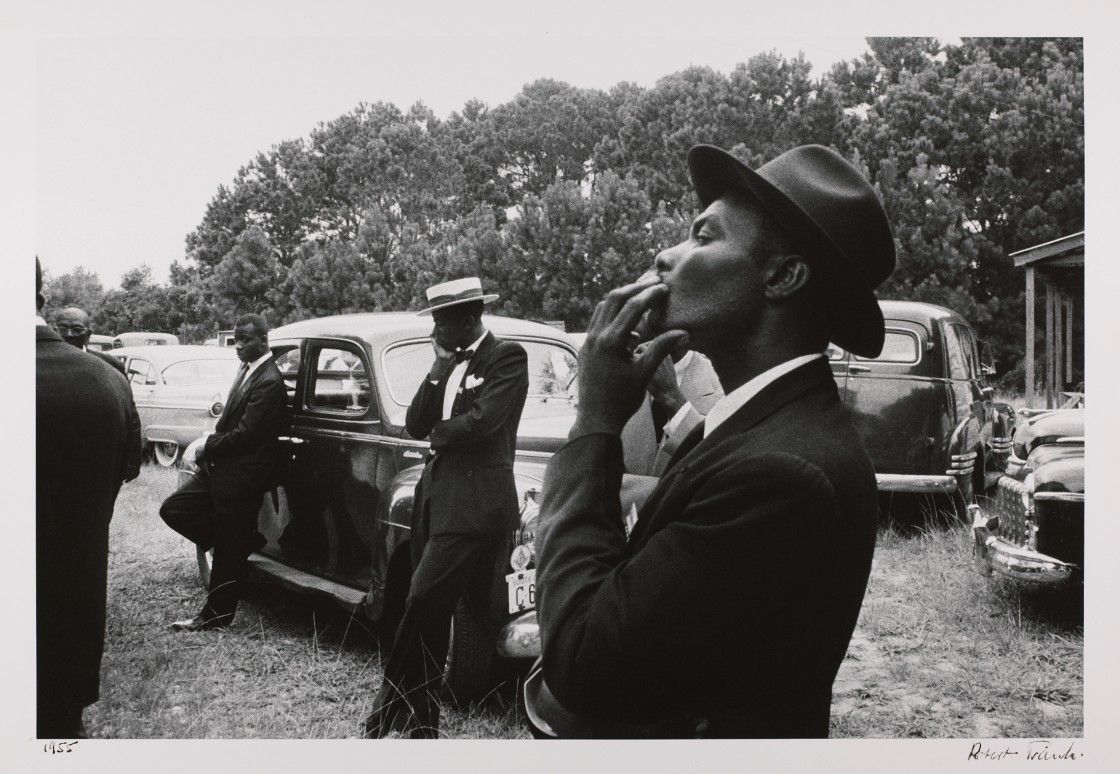
Figure 1. Funeral – St Helena, South Carolina, 1955. From The Americans © Robert Frank
When you analyze a photo, consider how your eye travels through the image. There doesn't need to be a defined outline your eye follows. Your eye creates that line with the composition. Many of Robert's photos have what I call "invisible guides." For example, in the Funeral at St. Helena image (see Figure 1). The top of the tree guides your eye from the top right of the image to the left. The man tilting his head acts as an arrow which guides you from the center-left to the far left.
Aside from photographic techniques, Robert's subjects and themes challenged photographic norms. He pushed the boundary for what's considered correct and acceptable in photography. His images had themes of: wealth versus poverty, black versus white, old versus young, and life versus death. Robert's bold and authentic emotions in his photos inspired me to challenge the norm.